The Demise of a Farming Giant: A Case Study
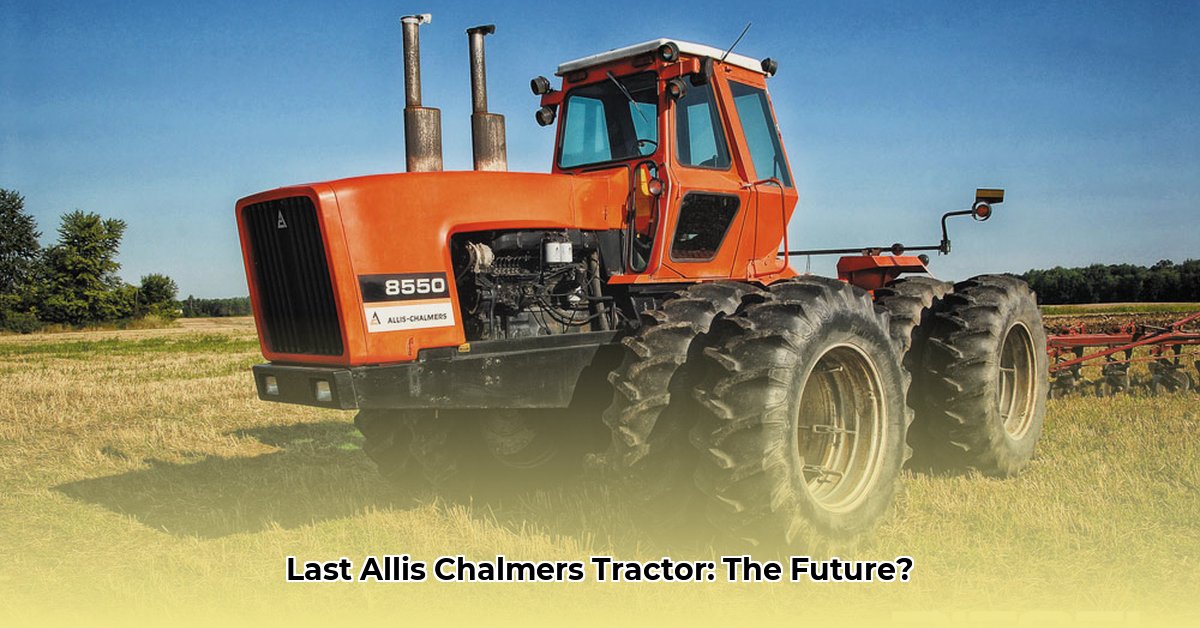
The last Allis-Chalmers tractor, produced in 1985, marks more than just the end of a manufacturing line; it symbolizes a pivotal moment in agricultural history, offering valuable lessons about adaptability, resilience, and the human cost of economic change. This case study examines the factors contributing to Allis-Chalmers' downfall and explores how the agricultural equipment industry can avoid a similar fate. For more on classic tractors, see this Ford tractor resource.
A Perfect Storm: Economic Downturn and Intensified Competition
Allis-Chalmers, once a dominant force in agricultural machinery, faced a confluence of challenges. The economic downturn of the 1980s significantly reduced farmer spending on new equipment. Simultaneously, the company faced growing competition from both domestic and international manufacturers who were innovating faster and offering more efficient, cutting-edge technologies. This lack of adaptability, coupled with the economic headwinds, created a perfect storm that ultimately led to the company's demise. The final tractor became a potent symbol of their struggle to remain competitive in a rapidly evolving marketplace. Did Allis-Chalmers underestimate the speed of technological disruption and the impact of globalization? This question continues to resonate within the industry today.
Beyond the Balance Sheet: The Human Impact
The closure of Allis-Chalmers had a profound human cost. Thousands of workers lost their jobs, impacting families and communities. This underscores the critical importance of considering the social implications of economic shifts. The narrative shouldn't solely focus on financial losses, but also on the human element—the lives and livelihoods disrupted by the company's failure. What support systems are needed to mitigate the human cost of such industrial transitions? This remains a crucial question for policymakers and industry leaders alike. A quantifiable metric might be the number of workers affected, illustrating the far-reaching implications of these situations.
Lessons for a Sustainable Future: Adapting to Thrive
The failure of Allis-Chalmers provides a valuable case study for the modern agricultural equipment industry. It highlights the critical need for:
Agility and Innovation: Companies must proactively adapt to changing market demands and technological advancements through continuous investment in research and development. R&D expenditure as a percentage of revenue could be a strong indicator of a company’s commitment to innovation. A higher percentage correlates directly to increased agility and competitiveness.
Sustainable Practices: The industry must shift towards sustainability, designing and producing equipment that promotes environmentally friendly farming methods. This not only addresses environmental concerns but also enhances the long-term economic viability of the sector. The adoption rate of sustainable farming practices among farmers can indicate the market potential for eco-friendly equipment.
Strategic Partnerships and Collaboration: Open collaboration between manufacturers, farmers, researchers, and policymakers is essential to ensure the industry’s long-term health and growth. A collaborative approach accelerates innovation and helps in responding to market changes more effectively.
A Roadmap for Resilience: Steps to Prevent Future Failures
To avoid repeating the mistakes of Allis-Chalmers, the agricultural equipment industry needs a multi-pronged approach. The following steps offer a potential framework for building resilience:
For Manufacturers:
- Diversify Product Lines: Avoid over-reliance on a single product, expanding into diverse markets and developing adaptable technologies.
- Invest in R&D: Prioritize innovation, focusing on sustainability, efficiency, and automation to create equipment that meets evolving farmer needs.
- Strengthen Supply Chains: Build robust and resilient supply chains to withstand economic shocks and external disruptions.
- Prioritize Workforce Development: Invest in training and development programs to upskill the workforce and ensure adaptability.
For Governments:
- Support Worker Transition: Implement policies to assist workers displaced by technological advancements or economic downturns.
- Invest in Agricultural Research: Increase funding for research into sustainable agricultural technologies and practices.
- Incentivize Sustainable Farming: Create policies that incentivize the adoption of environmentally friendly farming methods and equipment.
For Farmers:
- Embrace Sustainable Practices: Adopt sustainable farming techniques to enhance long-term economic viability and environmental stewardship.
- Strategic Equipment Purchases: Make informed decisions considering both short-term and long-term costs and the environmental impact of equipment.
The legacy of the last Allis-Chalmers tractor serves as a powerful reminder that adapting to change is crucial for survival. By learning from past mistakes and embracing innovative, sustainable strategies, the agricultural equipment industry can build a more resilient and prosperous future.